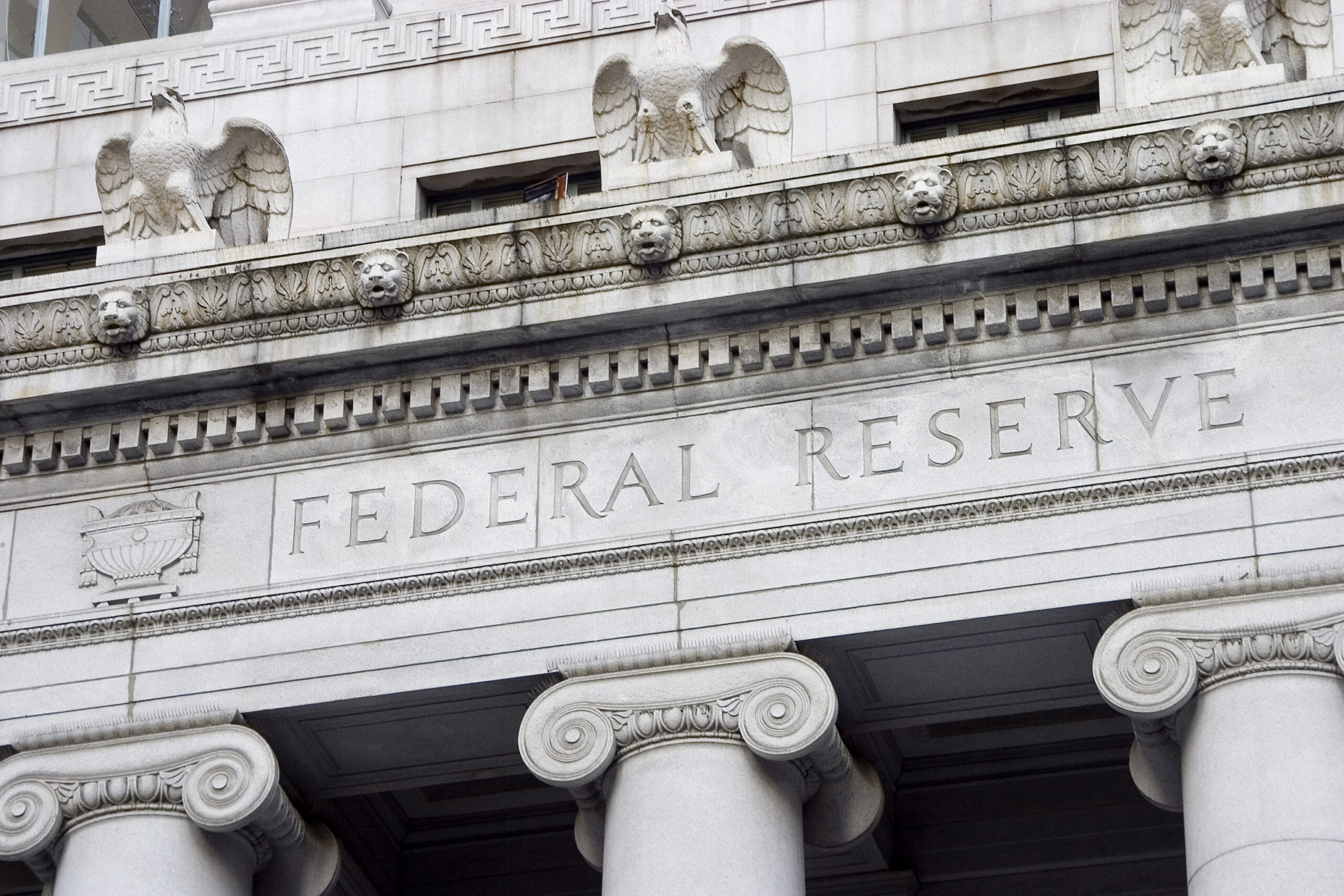
CNBC is running a second-by-second countdown to the Federal Reserve decision on rates today.
Seems like a market too dependent on the few. Risk disperses through decentralization. We’re counting on a central bank to disperse risk. Hm. Whatever the Fed does today, from 50 basis points to a hundred, we know risk is concentrated.
In what?

Illustration 164670867 © Adonis1969 | Dreamstime.com
I’ll come to that. First, every public company should have reliable, accurate market intelligence on what’s driving – or harming – shareholder-value. With just 5% of trading volume manifesting as ownership-changes, you need quantitative market analytics.
We have them. You may need them in coming months as much or more than at anytime you’ve occupied the chair, investor-relations professionals. Send me an email and ask about our special deal through Dec 31.
So, where is risk? It’s been transferred from every part of the economy, from all assets, into our currency, thanks to the central bank’s effort to be on both sides of the Supply/Demand teeter-totter simultaneously.
And since our currency denominates risk assets and all economic interaction including trading time for money, and trading money for good and services, we didn’t transfer it anyplace. It’s a grenade, pin pulled and hucked, that bounces right back.
The Panic of 1873 collapsed proliferating railroads and the banks and investors backing them. Investors started selling the railroad bonds they owned and pretty soon there were too many bonds around and nobody wanted them.
But it didn’t spread to other parts of the economy. It didn’t threaten the currency, which by 1880 had gained BACK all the lost purchasing power resulting from the Civil War and paper banknotes.
Imagine getting some purchasing power back. Wow.
Anyway, in 2022, people are selling off bonds. But they’re not railroad bonds. They’re government bonds. And the Federal Reserve, which hasn’t started selling its giant trove yet, will follow suit.
The yield, which moves inversely to price, on the five-year US Treasury, for instance, is up from about 70bp last summer to 3.6%. It reflects plunging demand for bonds.
The banks that sold railroad bonds in 1873, and the railroad companies that used the proceeds to lay rails, and the investors who owned the paper backing transportation capital-spending went broke.
Of course nobody bailed them out. The destruction of speculation and overbuilding is a necessary part of any healthy economy. Otherwise you end up with assets that don’t produce returns.
That’s what happened during the Pandemic. Assets that were not producing returns were kept afloat by the Fed, which issued bonds to create currency to keep stuff alive through payroll protection plans.
Then the Fed took the unprecedented step of just sending everybody checks (the Treasury did it but that money came from nothing – poof, just like the metaverse), shifting from keeping the supply side going, to juicing the demand side of the teeter-totter.
So you have unproductive assets getting money, and unproductive people getting paid. And consuming stuff, and trading stocks, and buying bitcoin, blah blah.
At some point, that process stops.
I’m not knocking emergency efforts. But the government gave no thought to having to undo what was done. Elastic money was the Great Elixir that would “promote growth.” The truth might be closer to setting one’s house afire to stay warm.
Leading into 1873, the banks and the builders and the bond-buyers were seeing big future demand for rails. Instead, there was an economic slowdown, and people had to sell bonds to raise money.
It’s not 1873, because that was only railroads. I don’t know what will happen here. But the whole world depends on the dollar. It’s the only reserve currency. We transferred the entire perceived – which proved wrong – effects of the Pandemic to it.
Bailing stuff out is bad because it compounds until it comes around and what was just a little jab that didn’t land in a boxing match is now a Mike Tyson upper cut.
And who bails out the dollar?
In 1913, the Federal Reserve was created to give money the elasticity to absorb panics. It absorbed WWI. That collapse in output coupled with the explosion of money sent us galloping into the Roaring Twenties.
And the equal and offsetting reaction was the 1930s.
Human nature tends to do things until they blow up. We may have exhausted the elasticity of modern monetary policy. And the snapback could be intense.
Be prepared. We’ve got data for navigating turbulence.