In New York City, it’s beginning to look a lot like Christmas around Rockefeller Center and it feels more like it here than in Denver where we hear yesterday it was 66 degrees (on Dec 12!).
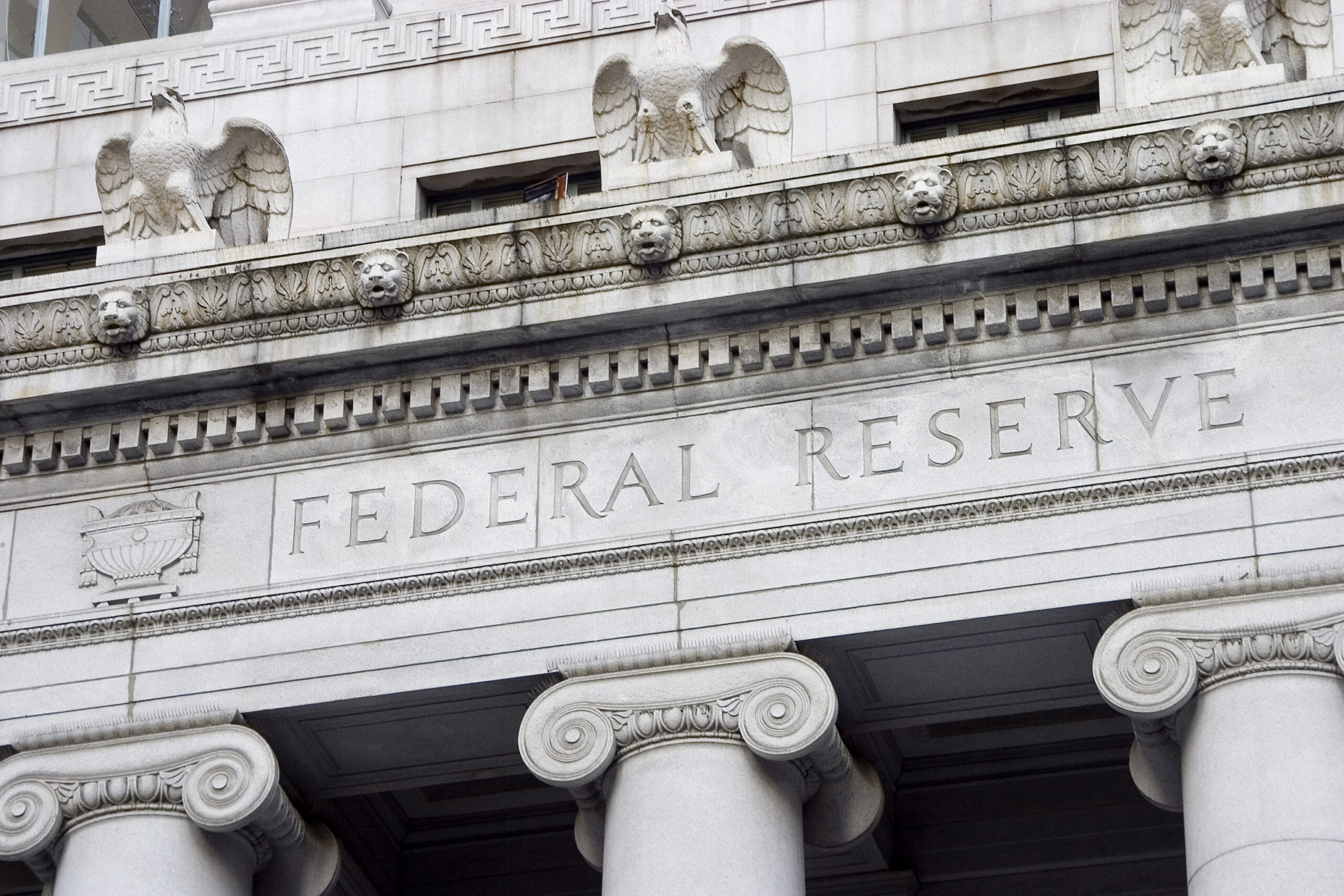
In the weather forecast today is a probable Federal Reserve rate hike, followed by index-options expirations Thursday, quad-witching Friday along with quarterly index rebalances, and volatility expirations next Wednesday.
The market’s Teflon character the past year means we have to go back to Dec 2015 to recall risk. Remember when the Fed lifted rates for the first time since 2006? We went to sea to avoid the fallout. Read on. -TQ
Dec 9, 2015: The Vacuum
Looking around at the market, we decided the only thing to do is go to St. Maarten. Safely at sea, we’ll wait out options-expirations and the Fed meeting next week and return Dec 21 to tell you what we saw from afar.
What’s up close is volatility. Monday in US equities 100 stocks were down 10% or more. And NYSE Arca, the largest marketplace for ETFs, announced that it would expand the ranges in which securities can trade following a halt. Where previous bands were 1-5% depending on the security’s price, new rules to take effect soon double these ranges.
Energy, commodity and biotech stocks led Monday decliners and we had clients in all three sectors down double digits. Yet just 15 ETFs swooned 10% or more. How can ETFs holding the same stocks falling double digits drop less? The simplest explanation is that the ETFs do not, in fact, own the underlying stocks.
We return to these themes because they’re why markets are not rational. Your management teams, investor-relations professionals, should understand what’s made them this way.
Suppose ETFs substitute cash for securities. How does net asset value in the ETF adjust downward to reflect pressure on the indexes ETF track if the ETFs hold dollars instead? This would seem good. But it enriches ETF authorized participants, brokers ordained to maintain supply and demand in ETFs, who the next day will sell ETF shares and buy the underlying stocks (just 12 stocks were down double-digits yesterday).
What we hear from clients is, “The action in my shares seems irrational. I don’t understand how we could drop 15% on a 5% decline in oil.” It’s bad enough that oil dropped 5% in a day. And lest you think your sector is immune, what’s afflicting energy could shift any time to other sectors. How? Four factors:
Arbitrage. The stock market today appears to be packed with more arbitrage – by which we mean pursuing profits in short-term divergences – than any other market in history. There’s index arbitrage, ETF arbitrage, sector arbitrage, derivatives arbitrage, multi-asset-class arbitrage, currency arbitrage, latency arbitrage, market-making arbitrage, long-short arbitrage and rebate arbitrage. A breathtaking amount of price-activity in the market can disappear the moment gaps present too great a risk for short-term traders.
Risk-transfer. There is insurance for everything, and that includes equity-exposure. Rules against risk-taking have sharply reduced the number of parties capable of providing insurance. When these big counterparties begin to experience losses, they dump assets to prevent further loss, exacerbating price-pressure. And what if they quit entirely?
Derivatives. Any instrument that substitutes for ownership is credit, and that’s what derivatives are. ETFs do it. Options and futures do. Swaps. Currencies. What things trade more than all the rest? These. The market is astonishingly reliant on credit.
Illiquidity. There may be no harder-edged jargon than the word “liquidity.” It means ready supply of something. If you need it right now, can you get it, and how much, and at what cost? The stock market with $25 trillion of value is extraordinarily short on the product that this value seems to reflect, because of the three other items above.
Who’s to blame? In Bell, CA, the municipal government became profligate because the people it served stopped paying attention. The market is yours, public companies. That it’s stuffed with arbitrage is partly our fault. Companies spend millions on enterprise-resource planning software to track every detail. Yet the backbone of the balance sheet is public equity and an alarming number have no idea how they’re priced or by what. To that end, read our IEX exchange-application letter.
The IR profession can correct this problem by leading the effort to end the information vacuum. It starts with understanding what in the world is going on out there, and it continues through insisting that management learn something about market structure. A task: Follow the cash. When your listing exchange next reports results, read them and see how it makes money.