“If something cannot go on forever, it will stop.”
This witty dictum by Herb Stein, father of Ben Stein (yes, from Ferris Bueller’s Day Off, The Wonder Years, Win Ben Stein’s Money and TV in general), is called Stein’s Law. It elucidates why stocks and dollars have had such a cantankerous relationship since 2008.
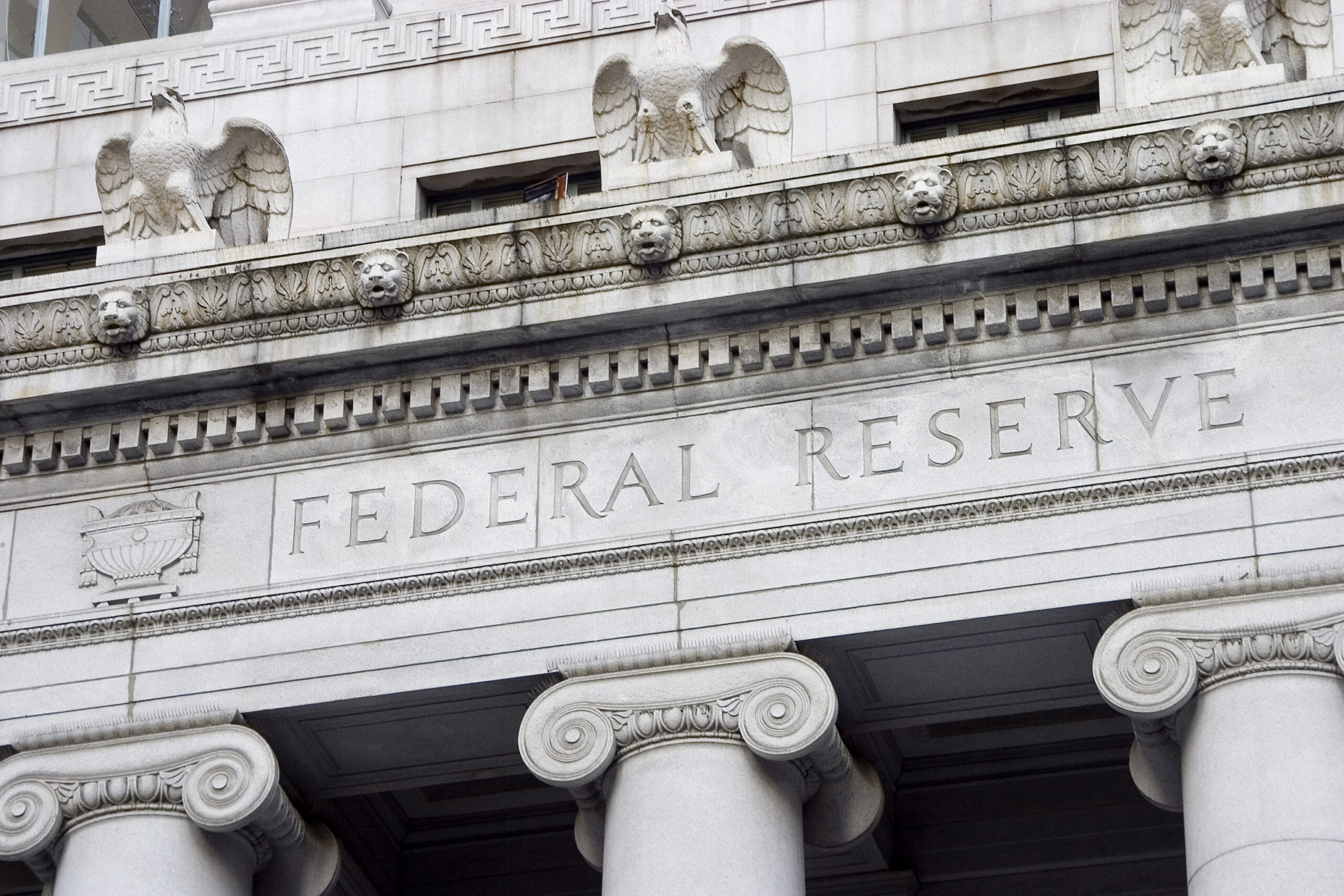
Last Wednesday, May 22, Ben Bernanke told Congress that the Federal Reserve might consider “tapering” its monetary intervention called quantitative easing (QE) “sometime in the next several meetings.” You’d think someone had yelled fire in a crowded theater. The Nikkei, Japan’s 225-component equity index, plunged 7%, equal to a similar drop for the Dow Jones Industrial Average at current levels. On US markets, stocks reversed large gains and swooned.
Why do stocks sometimes react violently to “monetary policy,” what the heck is “monetary policy,” and why should IROs care?
Let’s take them in reverse order. Investor-relations professionals today must care about monetary policy because it’s the single largest factor – greater than your financial results – determining the value of your shares.
By definition, “monetary policy” is the pursuit of broad economic objectives by regulating the supply of currency and its cost, and generally driven by national central banks like the Federal Reserve in the United States.
Stay with me here. We’ll get soon to why equities can throw tantrums.
In the US, the Federal Reserve will carry out monetary policy in three major ways: By talking about it, as Ben Bernanke did (nothing actually happened; he just talked.); by changing the cost of money through interest rates for banks; and by altering the supply of currency at the bank-level.
This last is how QE works. When the US Treasury auctions notes, bills, or bonds of varying maturities, most bids come through primary dealers – the banks trading 50% of your equity volume ranging from BofA Merrill, to Goldman Sachs, to Morgan Stanley, to UBS.
Here’s an example. The May 21 Treasury auction of $45 billion in four-week notes received $198 billion of bids, $168 billion of that from primary dealers. With more bids than notes offered, the Treasury apportioned proceeds, assigning 62% to primary dealers, 8% to direct buyers like institutions, and 30% to foreign governments.
The Fed will buy some portion of that 62% bought by primary dealers. The banks will be paid in cash created by the Fed, which they can funnel to customers through margin accounts and other financial arrangements.
That’s how QE works. Since equity volumes and prices at current levels depend on this cash, the thought of its absence gives markets cold sweats. This happens worldwide because all major central banks are following the same plan.
The hope in these programs is that the provision of cash will stimulate enough economic activity to replace it when it’s inevitably gone. The risk is that new cash inflates stocks and other assets and distorts prices without actually reaching the economy.
It’s even more than that. If you split your stock, the price goes down; if you reverse-split it, the price goes up. Your shares are the denominator of price. With dollars, it’s the opposite. More dollars, higher prices; fewer dollars, lower prices. The Fed is in effect splitting the dollar – increasing the supply – to drive prices up. But that changes human behavior. What if we get twice as efficient, and then those extra dollars go away?
That’s why IROs have to understand the implications of monetary policy today. Everyone is trying to win The Fed’s money. Because it cannot go on forever.