I’ll give you a high statistical probability. The stock market this week won’t reflect “fundamentals.”
Quast, you’re obsessed with your own view that the market is quantitative.
No, it’s what we call “context.” The cadence and calendar of the market:
- Volatility options expired yesterday.
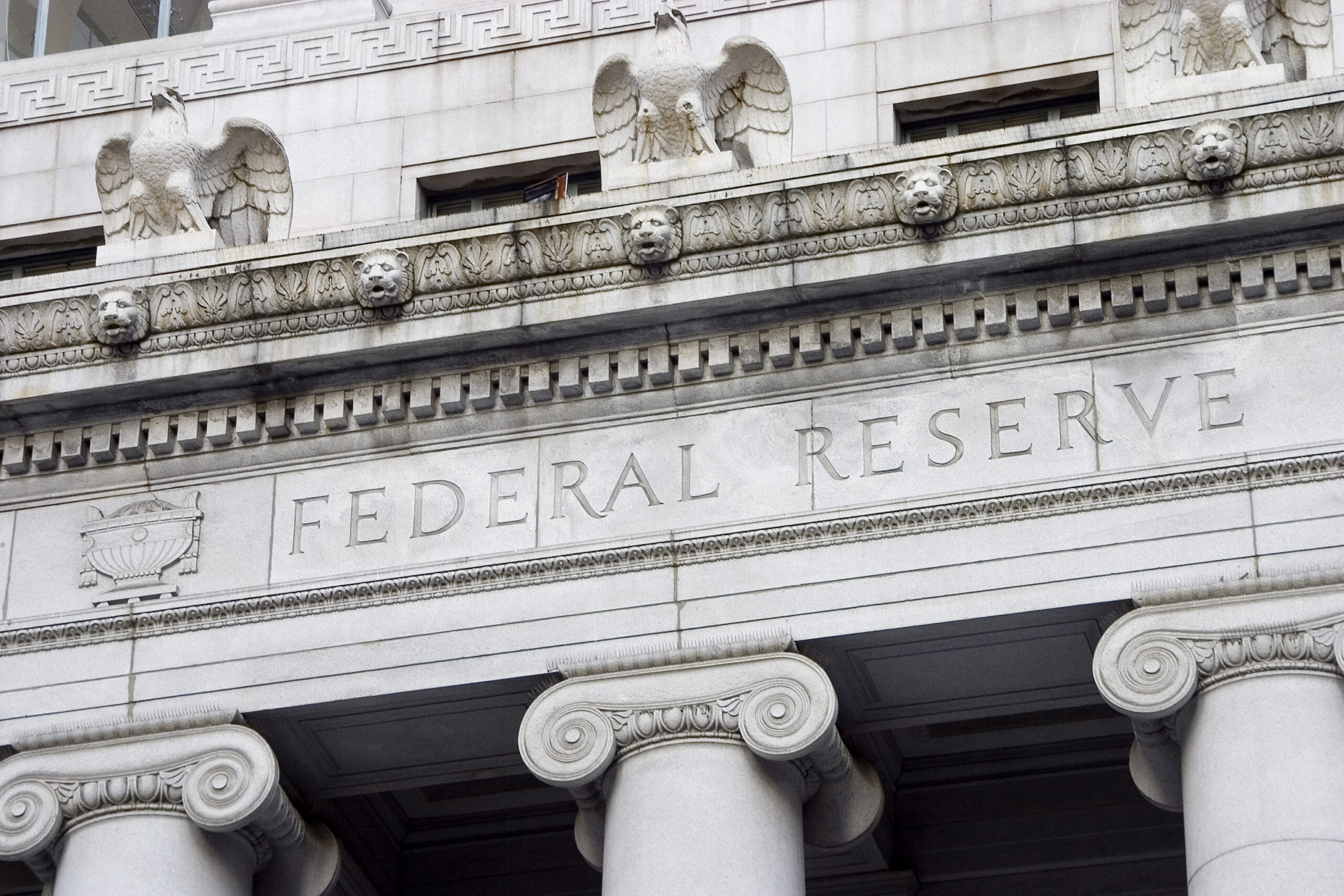
- The Federal Reserve Open Market Committee meeting concludes today with a press conference by Jay Powell and projections that are offered just four times a year (the data always predict the Fed’s targets: 2% inflation, economic growth. And it’s wrong more than right.).
- After Chair Powell drops the mic, index options expire Thursday, March 20. Since indexes are futures, they’re options on futures. And Friday the 21st is a reset day for the rest of the equity and index options and futures monthly complex that are also issued on Exchange Traded Funds and Notes. (ETFs, ETNs).
- And S&P indexes rebalance for the quarter Friday.
Yet whatever the stock market does will be attributed to investors reacting to this or that. Tariffs. Elon Musk (welcome home, spacegoers!). Trump’s (wild) hair. You pick it.
It’s a curious facet of human nature that we believe things even when the data say they’re not true. Amos Tversky and Danny Kahneman wrote a famous book about it (Thinking: Fast and Slow) and won a Nobel Prize. Michael Lewis wrote a famous book about them (The Undoing Project).
Every day on CNBC CEOs talk about “the quarter.” Whether the stock is up or down, it’s always about the results. The money focused on fundamentals – financial returns – is a net seller. The only net buyers are indexes and ETFs.
There’s a clue. A pattern?

On Jan 3, 2022, SPY, the S&P 500 index tracker, was at 478. For perspective, it’s now 561. That’s a 5% return per year. Add back inflation and taxes and you’re where you were in Jan 2022.
That’s still not it, the pattern.
SPY bottomed at March options expirations, the period we’re in this week. At 417. It shot all the way back to 461 the last trading day of March 2022 when month-end options expired and the quarter ended.
It caromed down to May expirations around the 20th, rose briefly, then nosedived to June expirations.
Seeing the pattern?
SPY then rose to August expirations. I’ll give you the punchline: The bear market of 2022 ended at October options-expirations.
Why does the market conform predictably to monthly options expirations? The answer isn’t expirations. That’s looking into the end of the barrel of the gun, so to speak.
Sight down the barrel. What are investors aiming to do?
Investors hedge volatility. Yes, hedge funds use derivatives for bets. The bulge brackets sells vast numbers of contracts for difference comprised of baskets of options.
But everyone hedges volatility – not by going long or short but by weighting into lower-volatility equities and selling puts and calls on those to generate a yield, income.
Traders leverage returns with synthetic ETFs that are backed by derivatives (heck, I do it, and I’ve made 15% this year on those trades as the broad measures have fallen, you EDGE users know).
The largest single category of equity investment in your and my equity portfolios, across pension funds and 401ks, is Passive Large Cap Blend. Big, liquid stocks with value and growth characteristics. It’s more than 65% of assets.
And 120 stocks are 65% of market cap. The S&P 500 – which obviates fundamental research by offering a quantitative index comprised of quality stocks (yet the sellside covers components on masse, proof it’s not information but liquidity that matters) is 90% of market cap, give or take.
And all that money uses stock and index options to square portfolios to a benchmark like SPX (and trackers like SPY, IVV, VOO). A fund is light on this basket, heavy on that one? Buy options to fill that gap, sell a basket of options where you’re overweight.
Every monthly expirations.
(EDITORIAL Note: If you want to know what the data signal next, join our live users group for EDGE Thursday at 230p ET.)
Now add one more ingredient. The great majority of prices today are a form of arbitrage among the underlying basket of stocks, the ETFs tracking them, and the options and futures derived from them and used as plugs to fill the holes.
Yes, it’s circular reasoning (which generates an error in Excel). But it’s what’s happening. Try to make rational sense of 90% of volume and you’ll be flummoxed.
And your defense public companies is to be the basket. Not the outlier. Want to know more?
And investors, always know CONTEXT. Fed meetings are context too because they affect the value of derivatives – especially when they occur smack in the middle of monthly resets.
And that’s your Wednesday market structure lesson. The stock market depends on derivatives.