Having never gone to a Neighborhood Pumpkin-Carving, we were wistful when squirrels promptly devoured the face off our finished product (marked “easiest” in the booklet of pumpkin-carving patterns we purchased). Ah well. What some consider a jack-o-lantern others see as a meal.
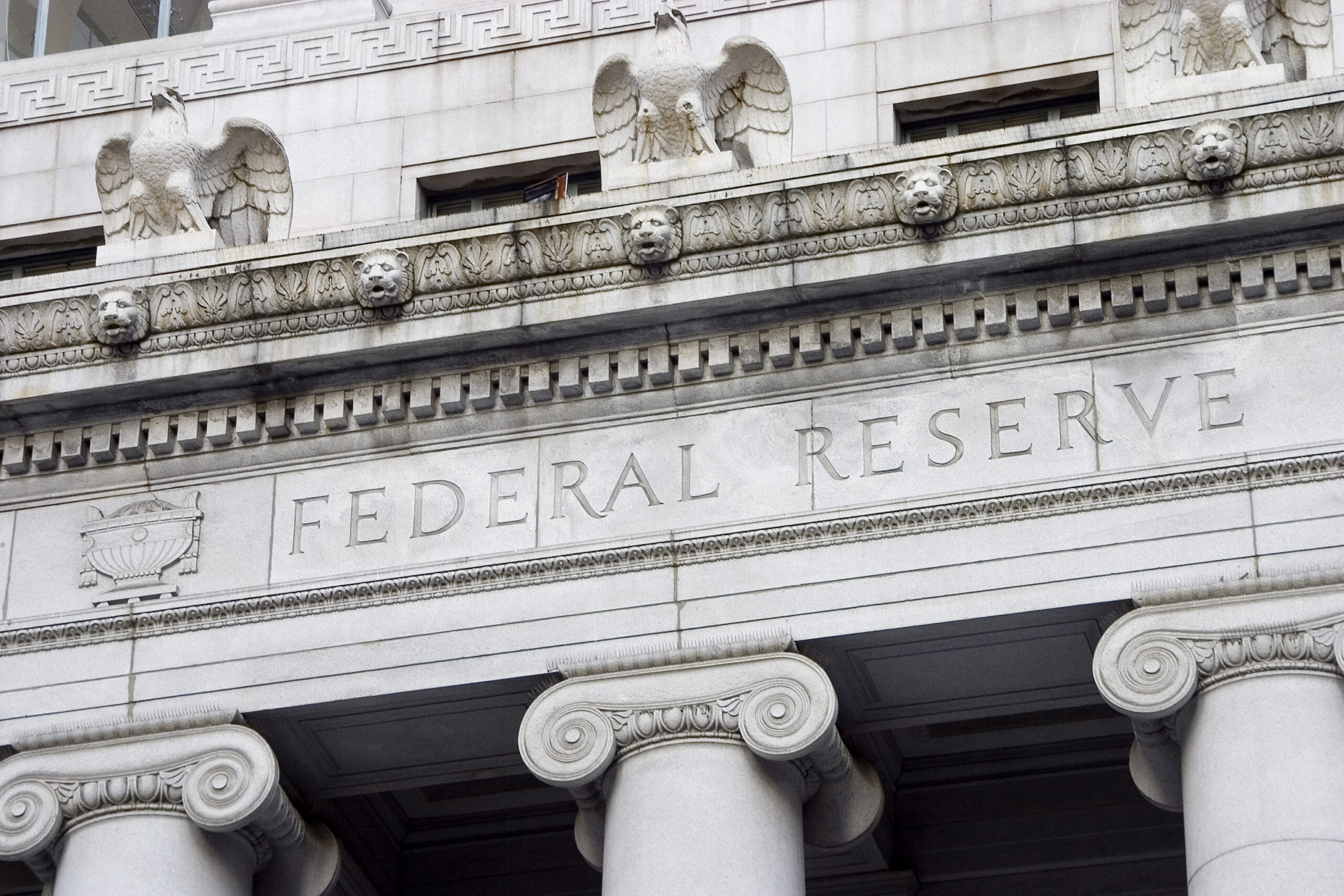
Speaking of scary, for those keeping record we note more currency-driven events to explain to your executives. First, the European Central Bank last week threw down the red carpet for Greek lenders, so the dollar dived and stocks soared on changes to perceived risk and anticipated further global currency-printing. On Halloween, Japan intervened to weaken the yen by buying other currencies, so the dollar strengthened (less supply, same demand) and markets plunged. On Nov 1, fear of setbacks on the Greece deal drove risk managers back to the dollar, pushing it up and stocks down more.
US markets should be proxies for fundamental value and forward multiples of collective corporate cash flows. Not meters for currency fluctuations. Happy Halloween.
Speaking of meters, there is Tom Peterffy, immigrant, billionaire, and architect of automated trading. Peterffy ranked 236th on Forbes’ list of the 400 richest in 2009, fruits of long labor revolutionizing how stocks trade. Peterffy, founder of Timber Hill and Interactive Brokers, pioneers in automated multi-asset-class electronic trading, believes automated trading goes too far.
Peterffy told Wall Street Journal reporter Scott Patterson in an October 20 story that automated trading has made markets less efficient and less safe. That’s akin to the inventor of a major heart medication pronouncing the compound dangerous to one’s heart.
Peterffy led the charge a decade ago to bring mathematics and machines to the process of matching trades. If investors needed to buy and sell shares, computers that picked and plucked from all over to fill orders for spreads at fractions of the old levels meant something was always on the other side of the trade. Liquid markets.
But they’re not liquid. They just have lots of volume. Liquidity suggests substance. And there’s the problem for the IR chair. Each market day now is a microcosm, an entire trading universe, the whole life cycle of industries boiled down to a single day’s activity. You make investments, hedge them, leverage them and trade the ramifications for currencies and bonds of growth and contraction. For a day. Start fresh the next day.
In this world, companies should hold four conference calls daily to update investors. Well, that’s absurd. It’s confusing busy with productive, exactly what low-spread markets do. The essence of human commercial interaction should not come down by regulatory edict to the spread on a trade.
See you Thursday at the NYSE for the IR Magazine Think Tank! Catch me at a table and we’ll kick this idea of one-day markets around.