“Do you see the market as disingenuous?”
That’s what the Benzinga host asked me yesterday on a stock-market web program. I generally do two Benzinga shows per week on market structure, for traders.
“No, I see the market as genuine but not motivated most times by what people talk about,” I said.
The stock market reflects what the money is doing. Well, what’s it doing right now? (Reminds me of the song by Jesus Jones.)
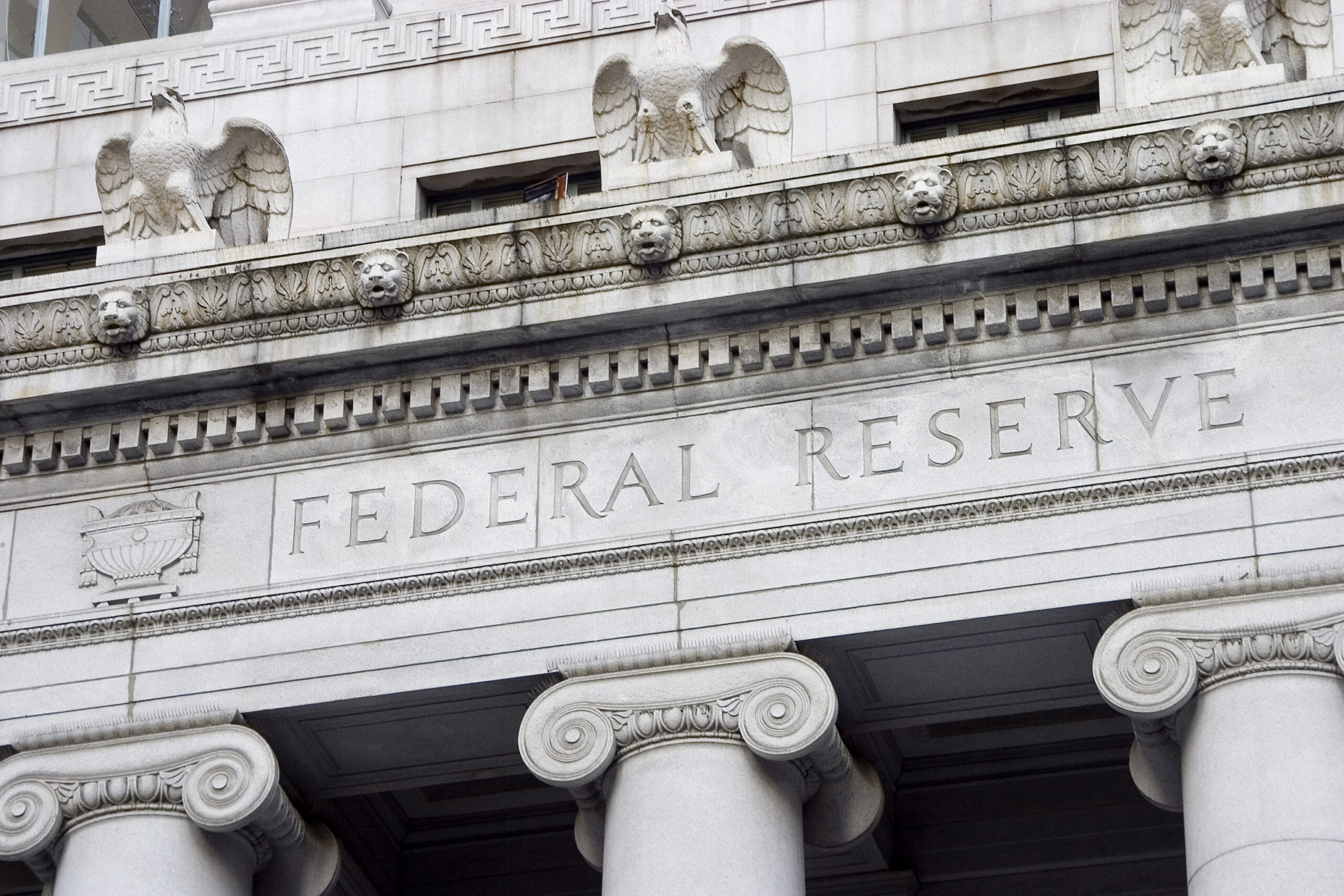
There’s universality, right now, that the Federal Reserve is why stocks struggled to start the week.
The Fed, which will today tell us what “The Committee” – as it always refers to itself – is thinking about doing. What it says and what it does aren’t always aligned. That seems disingenuous, but whatever. The Fed says it may reduce its support for markets. By that we mean the Fed buys mortgages and government debt, so debt is cheaper.
But how do we know if there’s a debt problem if the Fed keeps propping it up and rates keep falling? And debt doesn’t produce prosperity. Savings do. The Fed is undermining prosperity and encouraging debt and spending.
My financial advisors preach the opposite. Yours?
Yes, investors buy stocks, hoping they rise faster than the Fed can destroy our purchasing power and savings. That’s Sisyphus pushing a stone up a hill. When it ends, we’ll be poorer.
That’s still not what the money is doing RIGHT NOW.

Illustration 34823501 / Etfs © Timbrk | Dreamstime.com
It’s getting ready for year-end. Exchange Traded Funds (ETFs) will wring taxes out of appreciated holdings. Or as Vanguard said in its ETF FAQs in 2019, which I included in an ETF presentation:
“Vanguard ETFs can also use in-kind redemptions to remove stocks that have greatly increased in value (which trigger large capital gains) from their holdings.”
Vanguard says this often happens in December, but it can occur other times too. That firm and other ETF sponsors continually adjust ETF shares outstanding.
Like this: Investors want Technology exposure so they buy VGT, the Vanguard Tech ETF. Vanguard puts a grocery list of stocks in the “creation basket,” and brokers bring some mix of those stocks (and cash) to Vanguard, which gives the brokers an equal value of ETF shares, which the brokers sell for a little more to investors.
Near year-end, ETF sponsors get to do what Vanguard said above. They trade appreciated stocks for ETF shares, especially ones where demand is falling.
They hit the jackpot in Tech, starting at November options-expirations. Take NVDA. It’s up 116% this year, even after recent declines. NVDA is in 308 ETFs (for comparison, AAPL at nearly $3 trillion of market cap is in 320).
So Vanguard puts NVDA and similar stocks in the basket to trade for falling ETF shares like VGT. Vanguard gets to wash out its gains. Brokers can sell NVDA, short NVDA, and buy puts on NVDA. (These aren’t customer orders so they do what they want.)
The real jackpot, though, is that Vanguard can bring NVDA back with a new tax basis (instead of $150 it’s $285 – and this is how ETFs crush stock-pickers).
You and I can’t do that. Index funds can’t do that. Heck, nobody else but ETFs can, leaving one to wonder how the playing field is leveled by this SEC blanket exemption.
And voila! We have another reason along with Fast Trading, the machines who don’t own anything at day’s end, why the market can stage dramatic moves that everyone wrongly attributes to the Fed, Covid, a Tweet by Kim Kardashian or whatever.
Because this is what the money is doing. About $1 trillion flowed to ETFs this year. But there’ve been nearly $6 trillion of these back-and-forth transactions as of October.
And funds are constantly encouraging folks to trade out their index-fund shares for ETFs, making ever more assets eligible to dump via the basket and bring back free of taxes.
It’s vastly larger than the amount of money that’ll tweak quarterly or at some other benchmark period to reflect interest-rate or inflation expectations.
And if this principle holds, it’s POSSIBLE that we have some dramatic moves yet coming in stocks. Maybe this week and next with options-expirations (through Dec 22). Maybe between now and the new year.
The moral of this story never changes: If you’re responsible for the equity market, you need to understand it. If you trade it, you need to understand it. If you invest in it, you need to understand it.
And if you depend on it for your currency, your incentive plans, your balance-sheet strength, public companies, your executive team and board better understand it.
ModernIR is the data-analytics gold standard on market structure. We spend every day of the week helping companies understand the market, so they’re better at being public.